
Lead Paint Testing and Abatement in Central New York: What Homeowners Need to Know
Lead Paint Testing and Abatement in Central New York: What Homeowners Need to Know
A Homeowner’s Guide to Lead Paint Dangers, Testing Requirements, and Certified Abatement Across CNY
Central New York’s housing stock tells the region’s history. Federal-style colonials in Syracuse and Oswego, mid-century ranches in Liverpool and Fayetteville, post-war two-families in Utica and Rome. That character comes with a hidden cost: the older the home, the more likely it contains lead-based paint.
The United States banned residential use of lead-based paint in 1978, but that ban didn’t remove the paint already on tens of millions of walls, windows, and porches. According to CDC estimates, roughly 24 million homes across the country still have lead-based paint hazards. With its abundance of pre-war and mid-century housing, New York State carries more than its share of that burden. If your home was built before 1978, you should assume lead-based paint is present somewhere until a certified inspection proves otherwise.
At Green Tree Environmental, we test for and abate lead hazards throughout the Syracuse and Oswego metro, as well as Fayetteville, Liverpool, Rome, Utica, and surrounding communities. Here’s what every Central NY homeowner should understand before they renovate, repaint, or start a family.
Why Lead Paint Becomes Dangerous Over Time
Lead-based paint that’s fully intact—sealed, uncracked, and undisturbed—poses a relatively low immediate risk. The danger begins when paint starts to deteriorate or when it gets disturbed.
Chipping and peeling release paint chips that young children can ingest directly. Sanding, scraping, or drilling into lead-painted surfaces generates fine lead dust that settles into carpets, windowsills, and HVAC systems, where it can linger for years.
Lead is a neurotoxin, meaning it interferes directly with brain and nervous system development. Children under six are particularly vulnerable because they absorb lead at a much higher rate than adults and because normal hand-to-mouth behavior puts them in frequent contact with contaminated dust and surfaces. The CDC maintains that no level of lead exposure is safe for children. Even low-level exposure has been linked to learning disabilities, attention and behavioral problems, and lower IQ scores. At higher exposures, lead can damage the kidneys and cardiovascular system in adults as well.
Pregnant women face a specific risk: lead stored in bone tissue can be released into the bloodstream during pregnancy and cross the placenta, exposing the developing fetus.
Where Lead Paint Is Typically Found in Central NY Homes
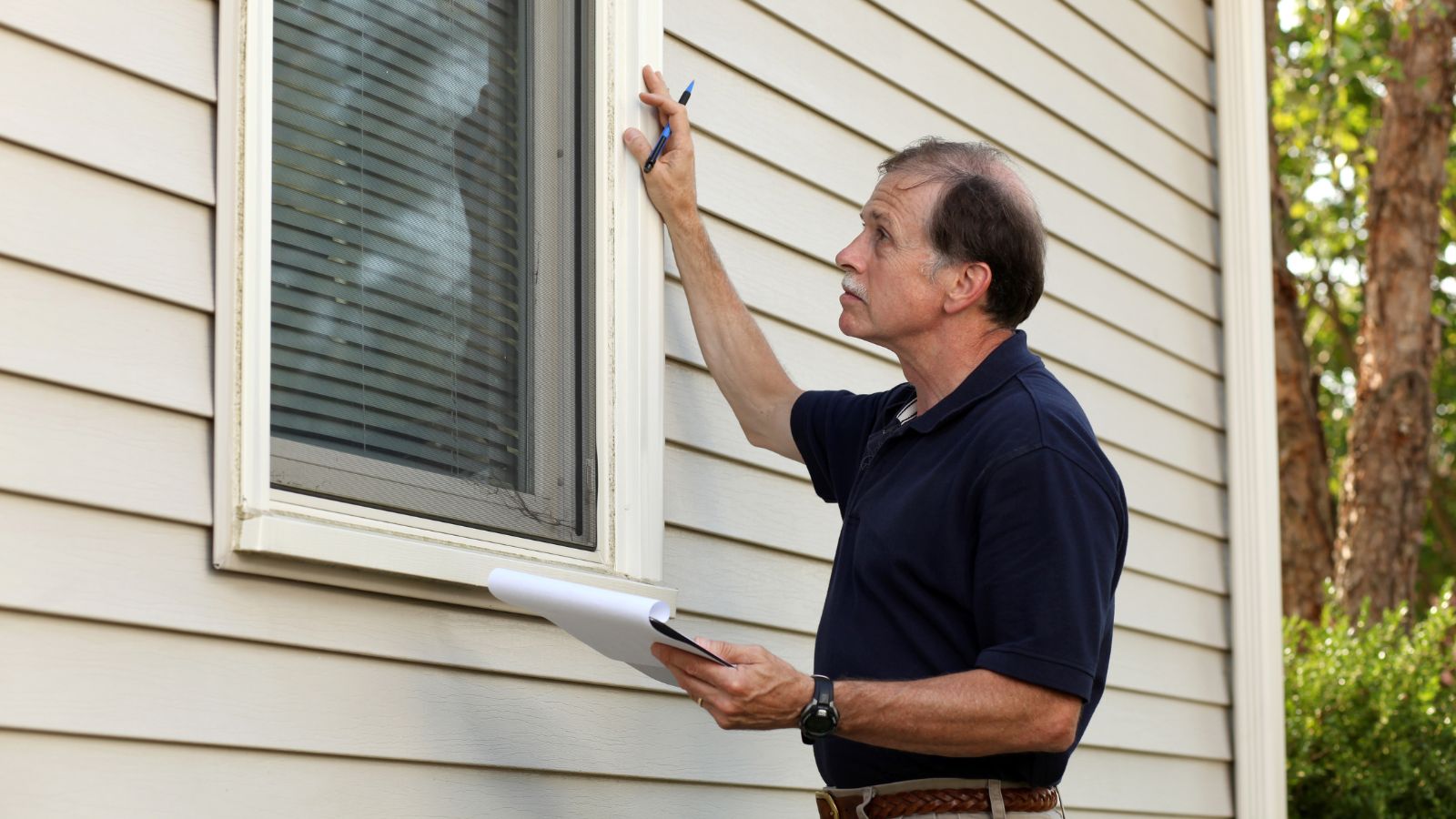
Lead paint wasn’t applied uniformly. It was used most heavily on surfaces exposed to increased wear, weathering, and friction. In older Central New York homes, the areas most likely to contain lead-based paint are windows and window sills (where friction from opening and closing creates fine dust), door frames and doors, stair railings and banisters, interior trim, baseboards and crown molding, and exterior surfaces including siding, porch floors, and fences.
It’s also worth understanding that lead paint is often buried under decades of newer paint layers. A surface can look perfectly fine and still contain lead underneath. What matters isn’t what’s on top, but what’s underneath, and whether any renovation, moisture damage, or normal wear is beginning to disturb it.
When Should a Central NY Homeowner Test for Lead Paint?
Testing is strongly recommended any time you plan to sand, scrape, or otherwise disturb painted surfaces in a pre-1978 home. But there are several other situations where testing is important even if no renovation is planned.
If you have young children or are expecting, testing gives you a clear picture of the current risk in your home. If you’ve purchased an older property, especially a historic home in Syracuse’s Strathmore, Eastwood, or Sedgwick neighborhoods, or an older property in Syracuse suburbs or Oswego, a lead inspection is a smart part of due diligence. Landlords renting to families with children under six in New York State have specific disclosure and remediation obligations, and testing is the foundation of compliance.
Professional testing by a certified inspector is the only reliable approach. DIY test kits can detect the presence of lead on a surface. However, they cannot identify lead dust in the environment, assess the condition of paint, or produce the documentation required for legal compliance or real estate transactions.
In New York State, any lead abatement work must be performed by an EPA-certified firm.
What Lead Abatement Actually Involves
Lead abatement is a specific, regulated process, not a coat of paint over a problem. It means permanently eliminating lead hazards through removal, enclosure, or encapsulation, using containment and safety protocols that prevent the work itself from spreading contamination.
At Green Tree Environmental, our process begins with a full inspection and risk assessment to identify all lead-based paint and lead dust hazards in the home. From there, we develop an abatement plan specific to your home’s layout, materials, and the scope of the hazards found.
During abatement, our certified technicians use containment barriers and HEPA filtration to isolate the work area and capture fine particles. Depending on the situation, lead hazards may be fully removed (paint stripped, windows or trim replaced) or enclosed behind new drywall or paneling. Once work is complete, we conduct post-remediation clearance testing to confirm that the home meets New York State and EPA safety standards. You receive documentation of that clearance, which matters for insurance, resale, and rental compliance.
This is meaningfully different from “lead-safe renovation practices,” which is the minimum standard for contractors disturbing lead paint during remodeling work. Abatement is a more comprehensive process designed to eliminate the hazard permanently, not just minimize exposure during a single project.
What Central NY Landlords Need to Know
When it comes to lead paint, New York State law places specific obligations on landlords. If you rent to a family with a child under six, you are required to disclose any known lead hazards before leasing and, in many cases, to remediate them. A child with an elevated blood lead level in a rental unit can trigger an order from the local health department requiring abatement at the landlord’s expense and often on a tight timeline.
For landlords managing properties in Syracuse, Utica, or Rome, where pre-1978 housing makes up a significant share of the rental market, proactive lead testing and abatement is both a legal safeguard and a practical one. The cost of a planned abatement is almost always lower than responding to an emergency order.
Green Tree Environmental is a licensed and certified lead abatement firm serving Central New York, including Syracuse, Fayetteville, Oswego, Utica, and surrounding areas. Contact us for a free consultation, or call us directly at (315) 447-8647.
FAQs: Lead Paint Testing & Abatement in CNY
Q: How do I know if my home has lead paint?
A: If your home was built before 1978, there’s a meaningful chance it contains lead-based paint, especially on windows, doors, and trim. The only way to know for certain is a professional inspection. Green Tree Environmental serves homeowners throughout the Syracuse area, Oswego, Cortland, Utica, and surrounding communities.
Q: Can I remove lead paint myself?
A: No. In New York State, attempting to abate lead paint without proper certification is illegal. DIY removal is dangerous because it almost always spreads contaminated dust into the rest of the home. Certified abatement contractors use containment, HEPA filtration, and disposal protocols specifically designed to prevent that.
Q: Is it safe to live in a home with lead paint?
A: Intact, well-sealed lead paint is generally low risk. The danger increases sharply when paint begins to chip, peel, or get disturbed by renovation work. If you have young children, are pregnant, or are planning any work on painted surfaces, a professional assessment is worth having.
Q: Do landlords in New York have to test for lead paint?
A: New York landlords are required to disclose known lead hazards to tenants and face additional requirements when renting to families with children under six. Contact Green Tree Environmental if you’re a property manager who needs a certified inspection or abatement documentation for compliance.
Q: How much does lead abatement cost in Central NY?
A: Cost varies significantly based on the size of the home and the scope of hazards found. Green Tree Environmental offers free consultations. Call (315) 447-8647 to get a clear picture of what your home needs before committing to any work.
Testimonials
Quick, Knowledgeable, Highly Recommended!
“Our basement flooded due to a failed sump pump. We had waterlogged carpets, ruined possessions, and a seemingly endless amount of water. Although Scott was doing work for other customers, he came out right away and set up several fans, dehumidifiers and air scrubbers that completely dried up the basement and prevented any water damage/mold from formulating on the drywall or any other spots. He also communicated with our insurance company on our behalf saving us time. We can’t say enough good things about Scott and Green Tree Environmental.”
Fabulous Job
From estimate to remediation to clearance, Scott did a fabulous job!
Professional, Personable, Highly Recommended!
“We found mold in our mudroom and started contacting companies. Scott with Green Tree Environmental answered immediately and gave very helpful information over the phone and came to our home to complete the mold removal process within a very reasonable time frame. Scott is very kind, professional, has immense knowledge of his trade and made us feel at ease. His pricing is very reasonable especially for the amount of time and care he gives to his clients. We could not recommend Green Tree Environmental more and will for sure use them for any future needs.”
Outstanding Work
“I truly appreciate the outstanding work you did in my house, which was approved by the appraiser and allowed me to finalize the purchase! My forever-home will always remind me of a great professional and kind person whose fantastic contribution made my dream come true. Thank you!”
Very Responsive, Quality Work
“Green Tree Environmental did a great job removing mold from our attic. Owner Scott was very professional and personable. Very responsive to our needs. Quality work at a reasonable cost. Highly recommend!”
Highly Recommended!
“Scott and his crew with Green Tree made time for us when our home sold last minute and we needed to close to move to Colorado. What he believed might take 7-10 days they were able to do in 5 and it passed inspection immediately. Highly Recommended!”
Expertise, Responsiveness, Two Thumbs Up!!
“The two adjectives that come to mind for this company are expertise and responsiveness. Having a water backup issue in my cellar, I contacted the company and spoke with Scott, a very knowledgeable and personable guy. He immediately brought out machines to start drying things out and explained his next steps in the process. He kept me well informed throughout, which I really appreciated. He did an excellent job for me. Two thumbs up!”
Responsive, Professional, Great Job
“I’m a property owner and have used Green Tree Environmental on both commercial and residential properties. Scott was very responsive to our urgent needs. He returned my call immediately after normal hours and was on site with dryers, water vacuum cleaner, etc. when a waterline broke and flooded our building.I have also had a mold issue in 2 houses that his company remediated. They were professional, did a great job. I will definitely use their services in the future.”
Green Tree Environmental
Two Locations!
115 N. Geddes St. Suite #1
Syracuse, NY 13204
356 Paradise Road
Central Square, NY 13036
scott@greentreeenvironmentalllc.com
(315) 447-8647
Service Areas include: Baldwinsville, Camillus, Canastota, Cazenovia, Central Square, Cicero, Clay, East Syracuse, Elbridge, Fayetteville, Jamesville, Jordan, Liverpool, Manlius, Marcellus, North Syracuse, Onondaga, Skaneateles, Syracuse & More.