
How Snowmelt Causes Water Damage in Central New York Homes
How Snowmelt Causes Water Damage in Central New York Homes
What Homeowners Need to Know About Roof, Basement, and Foundation Risks
When winter begins to loosen its grip on Central New York, warmer temperatures bring a welcome change. But along with the thaw comes a hidden risk many homeowners don’t think about until it’s too late: water damage caused by melting snow.
Across the greater Syracuse region and surrounding communities like Fulton, Cortland, and Utica, heavy winter snowfall can build up for months. When temperatures suddenly rise, or rain falls on top of snow, that buildup can melt quickly. Instead of draining safely away from your home, the water can seep into roofs, basements, and foundations.
Understanding how snowmelt leads to water damage and what to watch for can help you protect your home before small issues turn into costly repairs.
How Snowmelt Turns Into Water Damage
Snow itself isn’t usually the problem. The real risk comes when large amounts of snow begin melting rapidly.
During a slow thaw, water typically drains away through gutters, soil, and storm systems. But when melting happens quickly, the amount of water can overwhelm these systems and start working its way into vulnerable areas of your home.
Common problems caused by rapid snowmelt include:
- Basement flooding or seepage
- Roof leaks caused by ice dams
- Foundation cracks or wall seepage
- Saturated insulation and drywall
- Mold growth in damp areas
Northern regions like New York experience frequent freeze-thaw cycles, which means snowmelt water damage is a recurring seasonal concern.
Why Central New York Homes Are Especially Vulnerable
Homes throughout Central New York face several environmental conditions that increase the risk of snowmelt-related water damage.
Heavy Seasonal Snowfall
Syracuse consistently ranks among the snowiest cities in the United States, averaging well over 100 inches of snow per year. That snow accumulates on roofs, around foundations, and along property edges.
When it begins melting, that snow load turns into a significant amount of water all at once.
Freeze-Thaw Cycles
Central New York winters rarely stay at one temperature for long. Days may warm above freezing before dropping again overnight. These repeated freeze-thaw cycles expand and contract materials, creating small cracks in foundations and roofing systems where water can enter.
Poor Drainage and High Water Tables
Some parts of the region sit on clay-heavy soil or high water tables. When the ground becomes saturated with melting snow, water has fewer places to drain, increasing the pressure on basement walls and foundations.
Roof and Ice Dam Risks During Snowmelt
One of the most common ways snowmelt causes damage is through the formation of ice dams.
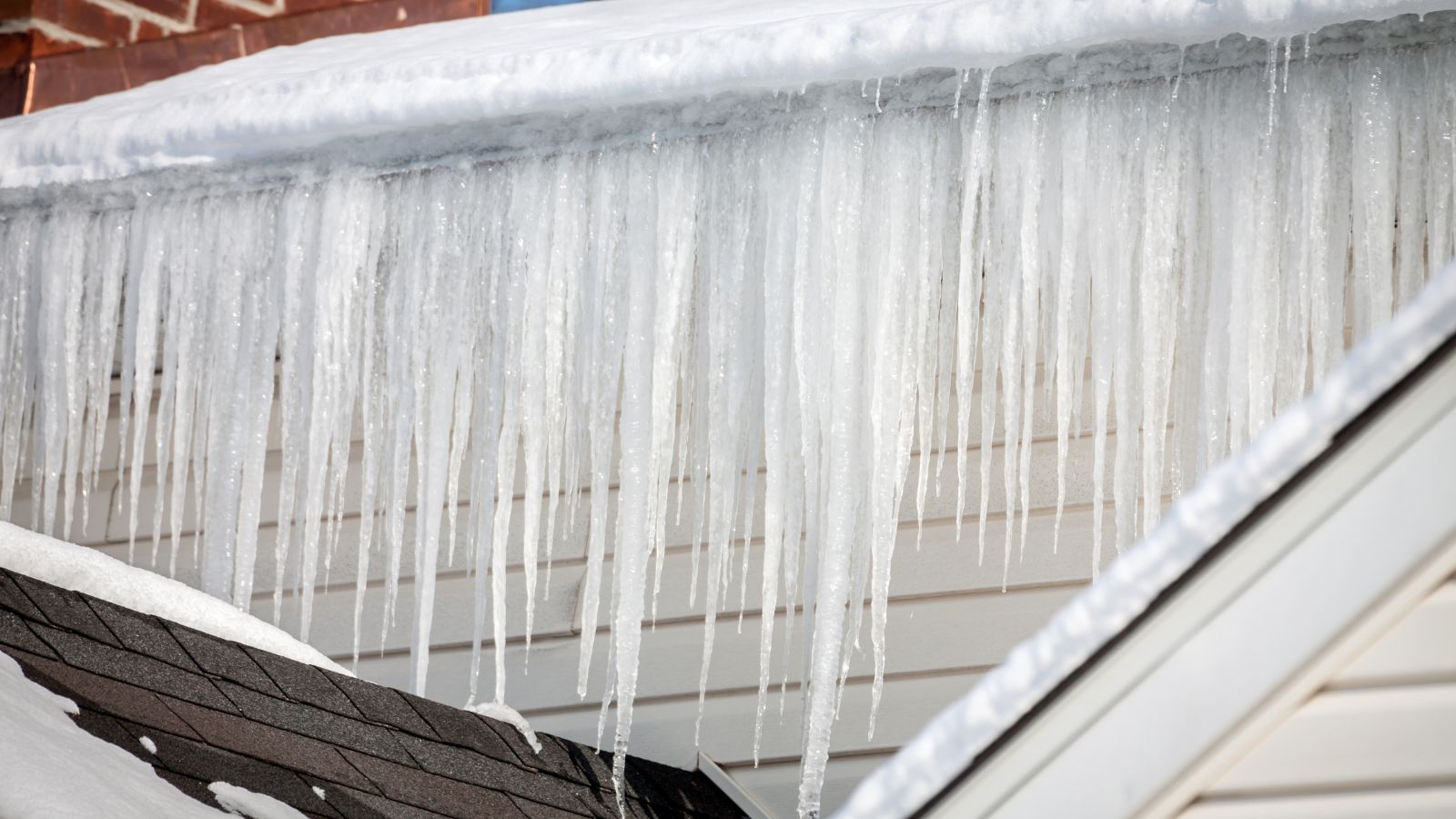
An ice dam forms when snow melts on a warmer section of the roof and then refreezes near the colder roof edge. As more snow melts, the water gets trapped behind the frozen ridge. Eventually, it begins backing up underneath shingles. Once that happens, water can seep into the attic, insulation, and interior walls.
Homeowners often notice early signs inside the house before realizing the roof is the source of the problem.
Common indicators include:
- Icicles forming along roof edges
- Water stains on ceilings or walls
- Dripping or sagging drywall
- Wet or musty-smelling attic insulation
If you notice these symptoms, a professional moisture inspection can help identify whether hidden water damage or mold is developing.
Basement and Foundation Risks from Snowmelt
While roof leaks are common, basements are often the most vulnerable area during spring thaws.
As snow melts and saturates the soil around your home, pressure builds up against your foundation walls. This pressure, known as hydrostatic pressure, can force water through small cracks, porous concrete, or gaps around basement windows.
Watch for these warning signs during late winter and early spring:
- Warning Sign: Damp floors or pooling water. Could mean water entering through foundation cracks.
- Warning Sign: White powdery residue on walls. Could mean efflorescence from moisture in masonry.
- Warning Sign: Musty odors. Could mean mold or mildew is beginning to grow.
- Warning Sign: Peeling paint or crumbling concrete. Could mean long-term water intrusion.
If these symptoms appear, addressing the moisture quickly is important to prevent structural issues or mold growth. Professional basement waterproofing in Central New York can help prevent recurring water intrusion.
How to Reduce the Risk of Snowmelt Water Damage
The good news is that several preventative steps can significantly reduce the risk of water entering your home during the spring thaw.
- Clear Snow from Roof Edges and Gutters: Using a roof rake to remove snow from the lower portion of the roof can help prevent ice dams from forming. Keeping gutters and downspouts clear allows melting snow to drain away properly.
- Make Sure Water Drains Away from Your Foundation: The soil around your home should slope away from the foundation. If the grading is flat or sloped toward the house, melting snow can pool around basement walls.
- Install or Maintain a Sump Pump: A sump pump system can redirect water away from your basement during heavy snowmelt or rainfall.
- Seal Foundation Cracks: Small cracks in foundation walls can allow water to seep inside under pressure. Sealing them early can prevent future leaks.
- Improve Attic Insulation and Ventilation: Proper insulation helps maintain a consistent roof temperature, reducing the uneven melting that leads to ice dam formation.
What to Do If Snowmelt Has Already Caused Water Damage
If melting snow has already caused flooding or water intrusion, responding quickly can help minimize damage. Taking action within the first 24–48 hours is especially important to prevent mold growth.
Steps homeowners should take include:
- Remove standing water and dry the area as quickly as possible
- Document damage for insurance purposes
- Contact a licensed restoration professional
- Identify and repair the source of the water intrusion
Professional water damage restoration and mold remediation ensure that hidden moisture and contamination are fully addressed.
Protect Your Home from Snowmelt Water Damage
Snowmelt may feel like the beginning of spring, but for many homeowners in Central New York, it can also pose hidden water-damage risks.
If you notice dampness, musty odors, or signs of water intrusion, it’s best to investigate early to prevent mold or structural problems from developing.
Green Tree Environmental provides professional inspections, water damage restoration, and mold remediation services throughout Syracuse, Cortland, Oswego, Utica, and surrounding communities. Call (315) 447-8647 today to schedule your free consultation.
FAQs: Snowmelt Water Damage
Q: Can snowmelt cause basement flooding in Central New York?
A: Yes. Rapid snowmelt can saturate the soil around a home, increasing pressure against basement walls and forcing water through cracks or porous concrete.
Q: What are the early signs of water damage from melting snow?
A: Common signs include musty odors, water stains on ceilings or walls, peeling paint, damp floors, and white powdery residue on basement walls.
Q: How can homeowners prevent ice dams?
A: Proper attic insulation, good roof ventilation, and removing snow buildup near roof edges can help prevent ice dams from forming.
Q: Should I worry about mold after snowmelt flooding?
A: Yes. Mold can begin growing within 24–48 hours after water exposure, especially in insulation, drywall, and carpeting.
Q: Who handles snowmelt water damage in the Syracuse area?
A: Green Tree Environmental provides water damage restoration, mold remediation, and moisture inspections across Central New York.
Testimonials
Fabulous Job
From estimate to remediation to clearance, Scott did a fabulous job!
Highly Recommended!
“Scott and his crew with Green Tree made time for us when our home sold last minute and we needed to close to move to Colorado. What he believed might take 7-10 days they were able to do in 5 and it passed inspection immediately. Highly Recommended!”
Responsive, Professional, Great Job
“I’m a property owner and have used Green Tree Environmental on both commercial and residential properties. Scott was very responsive to our urgent needs. He returned my call immediately after normal hours and was on site with dryers, water vacuum cleaner, etc. when a waterline broke and flooded our building.I have also had a mold issue in 2 houses that his company remediated. They were professional, did a great job. I will definitely use their services in the future.”
Quick, Knowledgeable, Highly Recommended!
“Our basement flooded due to a failed sump pump. We had waterlogged carpets, ruined possessions, and a seemingly endless amount of water. Although Scott was doing work for other customers, he came out right away and set up several fans, dehumidifiers and air scrubbers that completely dried up the basement and prevented any water damage/mold from formulating on the drywall or any other spots. He also communicated with our insurance company on our behalf saving us time. We can’t say enough good things about Scott and Green Tree Environmental.”
Professional, Personable, Highly Recommended!
“We found mold in our mudroom and started contacting companies. Scott with Green Tree Environmental answered immediately and gave very helpful information over the phone and came to our home to complete the mold removal process within a very reasonable time frame. Scott is very kind, professional, has immense knowledge of his trade and made us feel at ease. His pricing is very reasonable especially for the amount of time and care he gives to his clients. We could not recommend Green Tree Environmental more and will for sure use them for any future needs.”
Very Responsive, Quality Work
“Green Tree Environmental did a great job removing mold from our attic. Owner Scott was very professional and personable. Very responsive to our needs. Quality work at a reasonable cost. Highly recommend!”
Outstanding Work
“I truly appreciate the outstanding work you did in my house, which was approved by the appraiser and allowed me to finalize the purchase! My forever-home will always remind me of a great professional and kind person whose fantastic contribution made my dream come true. Thank you!”
Expertise, Responsiveness, Two Thumbs Up!!
“The two adjectives that come to mind for this company are expertise and responsiveness. Having a water backup issue in my cellar, I contacted the company and spoke with Scott, a very knowledgeable and personable guy. He immediately brought out machines to start drying things out and explained his next steps in the process. He kept me well informed throughout, which I really appreciated. He did an excellent job for me. Two thumbs up!”
Green Tree Environmental
Two Locations!
115 N. Geddes St. Suite #1
Syracuse, NY 13204
356 Paradise Road
Central Square, NY 13036
scott@greentreeenvironmentalllc.com
(315) 447-8647
Service Areas include: Baldwinsville, Camillus, Canastota, Clay, East Syracuse, Elbridge, Fayetteville, Jamesville, Liverpool, Manlius, North Syracuse, Onondaga, Skaneateles, Syracuse & more.